banner

Blog

Home

Blog

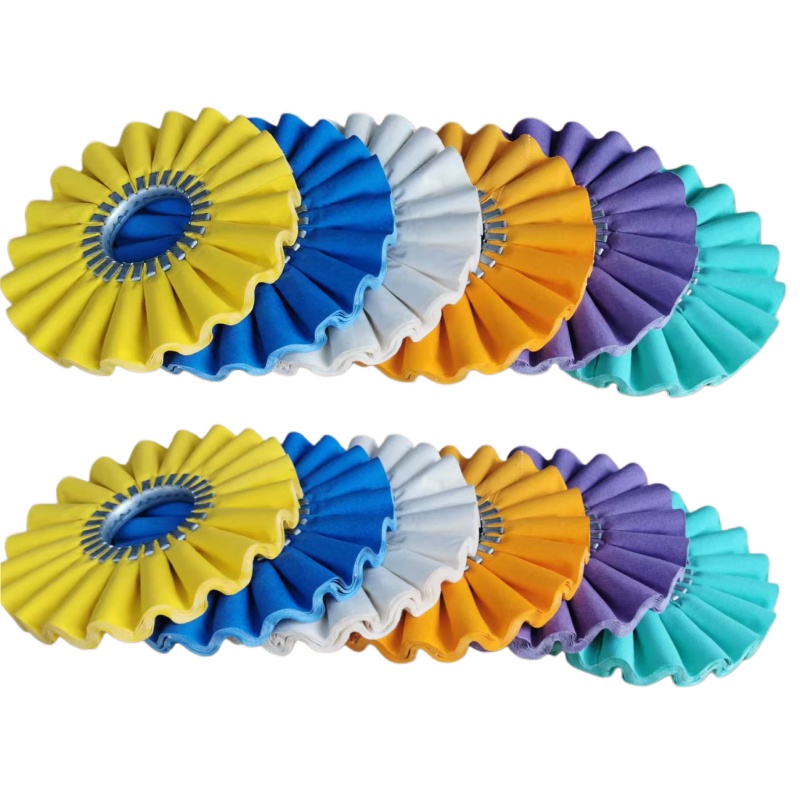
  • Wavy Pleated Polishing Wheels: How to Specify Size & Hardness
    Oct 22, 2026
    Most buyers order a wavy pleated polishing wheel by colour, then discover the size was the problem. The diameter sets the surface speed, the layer count sets the hardness, the centre plate sets the rigidity, and the bore decides whether the wheel runs true or shakes itself apart. This guide covers the seven parameters you actually need to specify — and the two that most purchase orders leave out. By Yiliang Polishing Engineering Team · October 22, 2026 · 13 min read Quick Answer A wavy pleated polishing wheel (also called a pleated cloth wheel or windmill wheel) is a bias-cut cotton cloth wheel with irregular folds clamped around a centre plate. It is specified by seven parameters: outside diameter, layer count, centre plate diameter, bore diameter, cloth colour (whi...
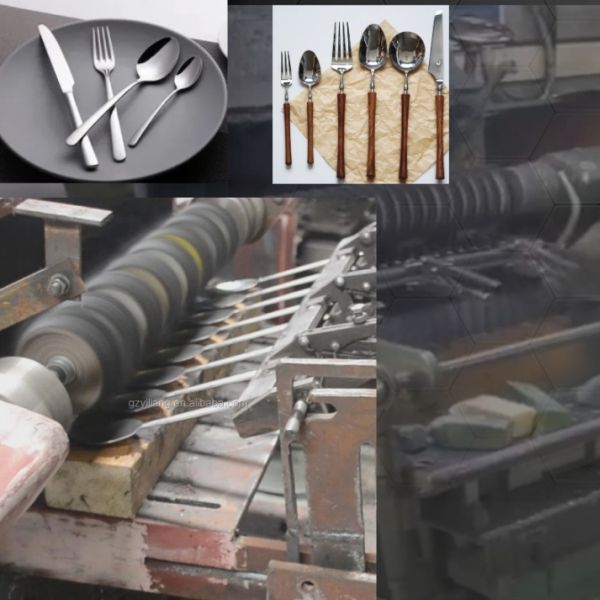
  • Stainless Steel Cutlery Polishing: How to Build an Automated Spoon & Fork Polishing Line
    Oct 26, 2026
    A spoon bowl, a fork's tines and a knife blade each punish a different part of a polishing machine. This guide walks through the full station-by-station cutlery polishing line — built from real project quotations — including the two-stage before/after-forming principle, the four-stage wheel-and-wax recipe, and where robots make sense. By Yiliang Polishing Engineering Team · Updated October 26, 2026 · 13 min read Quick Answer A cutlery polishing machine is not one machine but a line of specialised stations. Because a spoon or fork has a curved bowl, a narrow neck, flat handle faces and (on forks) stamped tines, high-quality lines polish the flat blank before forming, then re-polish the shaped part after molding with curve machines and progressively finer wheels....
  • Paint Surface Polishing Machine: A Panel Finishing Guide
    Nov 11, 2026
    Paint polishing is not sanding wood. You are levelling a 60–120 µm film, so the grit schedule — not motor power — decides gloss or sand-through. By Yiliang Polishing Engineering Team · Updated November 9, 2026 · 13 min read Quick Answer Paint surface polishing is the step after the final coat has cured: you level the film with a fine abrasive, then restore gloss with a cloth wheel or wool pad and a paint polishing compound. Three rules cover most of it. Sand each coat with the finest grit that still removes the previous coat's texture — typically P320 after primer, P400 after the base colour and P600–P800 after clear coat. Keep total stock removal low, because the whole film is only 60–120 µm thick — less than a human h...
  • Wet Belt Grinder: Why Water-Cooled Grinding Wins (2026)
    Nov 17, 2026
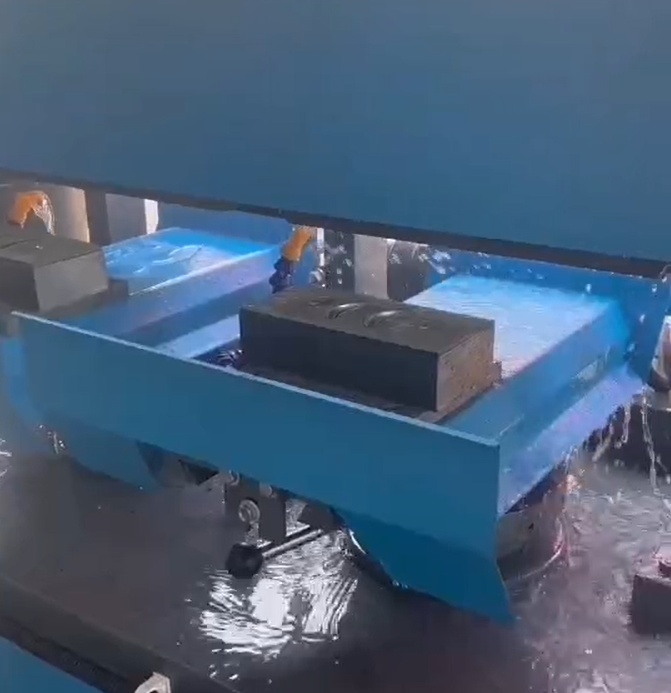
    A wet belt grinder cools the cut, keeps the belt sharp and holds a flat reference that dry sanding cannot. When to choose one, and how to specify it. By Yiliang Polishing Engineering Team · Updated November 2, 2026 · 14 min read Quick Answer A wet belt grinder (also called a wet belt sander or water-cooled belt grinder) runs an abrasive belt over a water-flooded platen so that coolant reaches the contact point with the belt. Water does four jobs at once: it removes heat, flushes swarf out of the grit, lubricates the scratch and captures dust instead of releasing it. Choose wet over dry when your part is thin, heat-sensitive or tolerance-critical, when you grind aluminium, magnesium or titanium and cannot risk airborne combustible dust, or when you need a consistent flat r...
1 2 3

Leave A Message

Leave A Message
If you are interested in our products and want to know more details,please leave a message here,we will reply you as soon as we can.

Home

Products

WhatsApp

contact