Polishing vs Grinding Machine: What's the Difference and Which Do You Need?
Polishing vs grinding machine — confused? This guide breaks down the difference in process, finish, and cost, and shows you which machine fits your workshop.
Quick Answer
A
grinding machine removes material fast and leaves a functional, often rough surface — it's a stock-removal tool. A
polishing machine refines that surface to a specific finish (satin, mirror, or super-mirror) without significant material removal. Most finishing lines use
both: grinding first to shape and clean, then polishing to deliver the final surface the customer sees and feels.
If you have ever searched for a metal finishing machine and ended up comparing "grinder" and "polisher" listings side by side, you are not alone. The two are sold by the same suppliers, often look similar, and the names are sometimes used interchangeably in catalogs. Picking the wrong one wastes budget and weeks of trial.
In this guide, we break down the real difference between a polishing machine and a grinding machine — how each one works, what finish it produces, and how to choose the right equipment (or the right combination) for your workpiece, your material, and your target surface quality.
1. What Is a Grinding Machine?
A
grinding machine (or grinder) is a stock-removal tool. Its purpose is to take off metal fast and prepare a surface for the next operation.
Typical inputs:
- Coarse abrasive belts (#36, #60, #80)
- Grinding wheels, fiber discs, flap discs
- Cut-off wheels for separation
Typical outputs:
- Deburred edges
- Welds blended flush
- Surface roughness Ra 1.6–6.3 μm
- Visible scratch pattern that still needs finishing
Where it fits in the line: usually the first or second station after cutting or welding.
A grinding machine is not concerned with shine. Its job is geometry, edge break, and weld cleanup.
2. What Is a Polishing Machine?
A polishing machine is a surface-refining tool. It works on a workpiece that is already close to the required geometry and only needs the final surface quality.
Typical inputs:
- Fine abrasive belts (#240, #400, #600, #800)
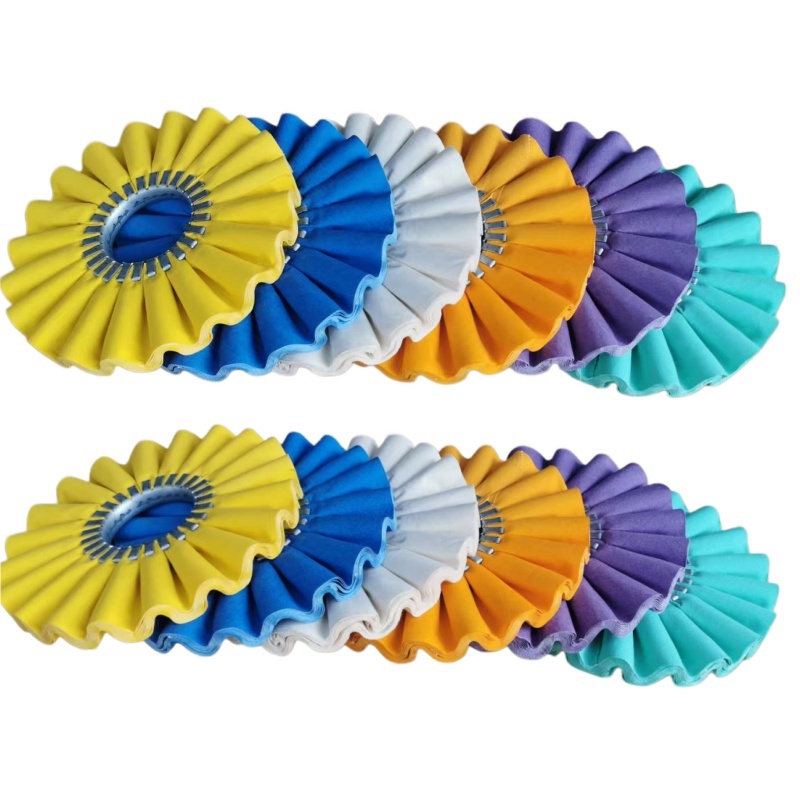
- Polishing buffs (cloth, sisal, air wheel)
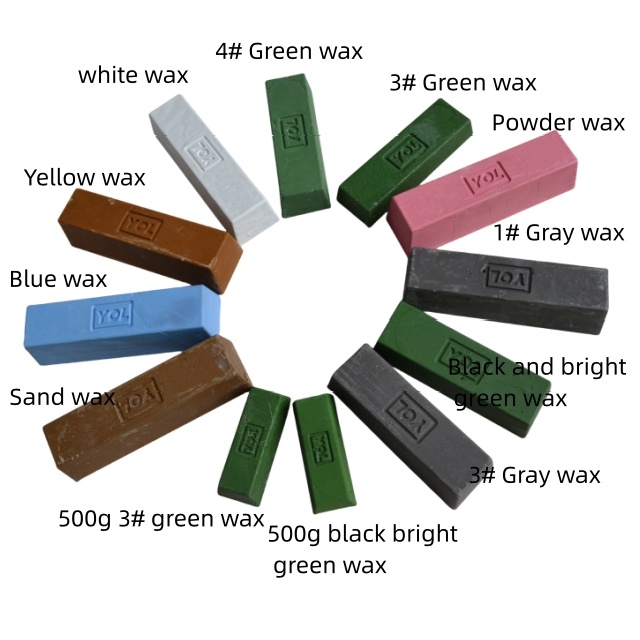
- Polishing compounds (green, white, red, black)
- Non-woven wheels for satin finishes
Typical outputs:
- Satin / brushed finish (Ra 0.4–0.8 μm)
- Mirror finish (Ra ≤ 0.1 μm)
- Color-true, scratch-free reflective surface
Where it fits in the line: usually the last station before cleaning, packaging, or assembly.
3. Polishing vs Grinding: Key Differences at a Glance
|
Feature
|
Grinding Machine
|
Polishing Machine
|
|
Primary purpose
|
Material removal, edge prep, weld blending
|
Surface refinement, final finish
|
|
Abrasive grit
|
#36 – #120 (coarse)
|
#240 – #2000 + buffing compounds
|
|
Material removed per pass
|
0.05 – 0.5 mm
|
0.001 – 0.01 mm
|
|
Surface roughness (Ra)
|
1.6 – 6.3 μm
|
0.1 – 0.8 μm (mirror: ≤ 0.1 μm)
|
|
Speed priority
|
High linear speed (20–35 m/s)
|
Controlled lower speed (10–25 m/s)
|
|
Heat generation
|
High — needs coolant often
|
Moderate — control by pressure and feed
|
|
Typical tool
|
Abrasive belt / grinding wheel
|
Polishing wheel / buff + compound
|
|
Operator skill focus
|
Pressure, angle, contact area
|
Compound selection, wheel dressing, sequence
|
|
Position in line
|
Early (after cutting / welding)
|
Late (final finish)
|
|
Cost driver
|
Motor power, abrasive consumption
|
Compound cost, wheel life, cycle time
|
If you remember nothing else: grinding is about taking off; polishing is about putting on quality.
4. When to Use Grinding (and When Not To)
Use a grinding machine when you need to:
- Remove mill scale, oxide, or rust from hot-rolled or cast workpieces
- Blend welds on stainless steel tanks, frames, or pipes
- Break sharp edges on cut blanks
- Rough out surface defects (deep scratches, gouges)
- Prep surface for coating (powder coat, paint, plating)
Do not use a grinder when:
- The part is already within 0.1 mm of final geometry
- You need a cosmetic mirror or satin finish (a grinder will leave deep scratches you will pay to remove later)
- Material is soft aluminum, copper, or plastic (risk of smearing and embedding abrasive)
5. When to Use Polishing (and When Not To)
Use a polishing machine when you need to:
- Deliver a specified finish: satin, mirror, or super-mirror
- Meet Ra values for sanitary, medical, or food-grade parts
- Remove grinding scratches from the previous station
- Apply decorative finishes to consumer goods (cookware, faucets, handles)
- Prepare stainless steel for PVD coloring or anti-fingerprint coating
Do not use a polisher when:
- The part still has heavy weld beads or stock to remove — you will burn through the buff in minutes
- Geometry is wrong — a polisher cannot fix a bent shaft
- The target is functional grip (textured anti-slip) rather than reflective
6. Common Production Lines: Grind Then Polish
In most real workshops, the two machines work in sequence, not in competition. A typical finish line for a stainless steel kitchen sink looks like this:
- Station 1 — Grinding: remove mill scale with #80 belt, break sharp edges.
- Station 2 — Fine grinding: refine surface with #240 / #400 belts, eliminate coarse scratches.
- Station 3 — Pre-polish: #600 / #800 belt, prepare for buffing.
- Station 4 — Mirror polish: sisal buff + green compound, then cotton buff + red compound.
- Station 5 — Cleaning & protection: ultrasonic cleaning, passivation, anti-fingerprint film.
Skipping stations or trying to combine grinding and polishing on a single head saves machine cost but destroys consumable life and ruins the finish. Most quality complaints we see on incoming audits trace back to this exact shortcut.
7. How to Choose the Right Machine (or Line) for Your Workshop
Use this 4-step decision path before you talk to a supplier.
Step 1 — Define the target finish
- Functional / deburr only → grinder is enough
- Cosmetic satin → grinder + satin brushing station
- Mirror → full grind + polish line with compounds
Step 2 — Match material to abrasive and tool
|
Material
|
Grinding Abrasive
|
Polishing Compound
|
|
Stainless steel 304/316
|
Zirconia / ceramic belt
|
Green (cut) + white / red (color)
|
|
Aluminum 6061/7075
|
Silicon carbide (avoid loading)
|
White or blue (low cut)
|
|
Brass / copper
|
Aluminum oxide belt
|
Red or blue (color finish)
|
|
Titanium
|
Ceramic belt, low heat input
|
Green + white, controlled pressure
|
|
Zinc alloy
|
Fine belt, soft contact
|
White, low pressure
|
Step 3 — Match part geometry to machine type
-
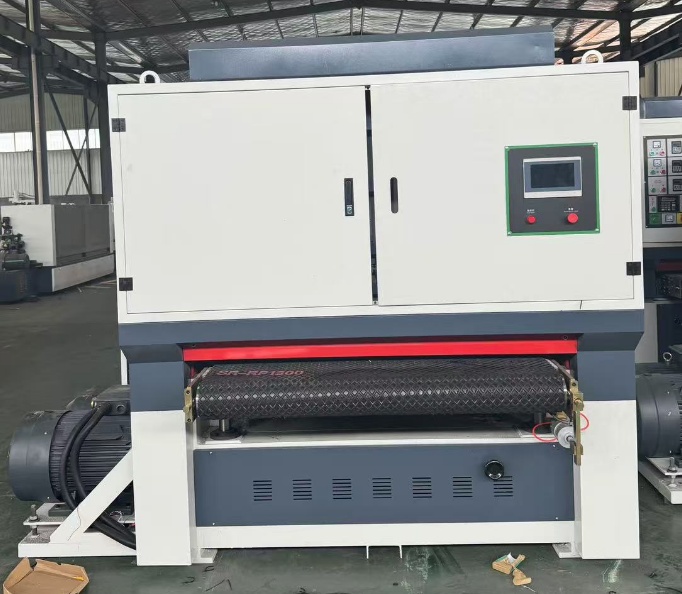
Flat sheets / plates → flat conveyor belt sander
-
Round tubes / pipes → rotary multi-head machine
-
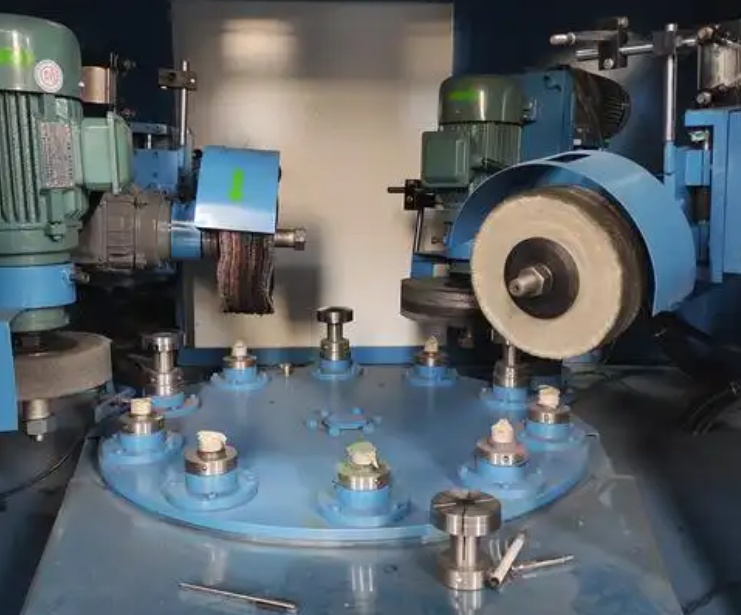
Small irregular parts (jewelry, hardware) → disc / table-top polisher
-
Long workpieces (handrails, door handles) → through-feed linear polisher
Step 4 — Decide automation level
If your labor cost is rising, throughput is flat, and finish consistency is unstable between shifts, an
automatic polishing machine with programmable pressure, speed, and dwell time typically pays back in 12–18 months.
8. FAQ
Is a polishing machine the same as a grinder?
No. A grinder removes material and prepares geometry; a polisher refines surface quality. They use different abrasives, different speeds, and different wheels. Some machines are hybrid, but they compromise on both functions.
Can a grinding machine produce a mirror finish?
Not directly. A grinder leaves a coarse scratch pattern (Ra 1.6–6.3 μm). To reach a mirror finish (Ra ≤ 0.1 μm), you need a polishing line that progresses through fine belts and buffing compounds.
Which is more expensive — a grinder or a polisher?
Polishing machines are often more expensive per station because they need finer speed control, vibration isolation, and compound management. However, total cost depends on your finish spec, not on the head price alone.
Do I need coolant for polishing?
Not always. Many polishing operations are dry, but a mist coolant extends buff life and prevents burn on stainless and titanium. Wet polishing is also better for dust control.
Can one operator run both machines?
Yes, in low-volume workshops. In high-volume production, dedicated operators per station keep throughput stable and reduce scrap.
How long does a polishing wheel last?
A sisal buff under mirror-polish duty typically lasts 200–500 workpieces; an air cloth wheel for satin finish can last 1,000–2,000. Compound type, pressure, and workpiece material all affect life significantly.
9. Conclusion
A grinding machine and a polishing machine are not competitors — they are partners. Use the grinder to remove stock, fix geometry, and prep the surface. Use the polisher to deliver the final finish the customer is actually paying for. Skip the grinder, and you burn through polishing consumables. Skip the polisher, and you ship parts the customer rejects.
If you are unsure what your line should look like, send us your workpiece photo, target finish, and daily throughput. We will spec a station-by-station solution in 24 hours.


 English