In modern hardware and metal manufacturing, surface finishing processes—such as mirror buffing, satin brushing, and deburring—directly determine a product's market value and competitiveness. High-end stainless steel tableware, bathroom faucets, and precision door hinges all rely on a flawless luster to signify premium quality. However, many factories transitioning to automation encounter a frustrating setback: the machinery runs perfectly, but the output suffered from "burnt" dark spots or deformed, over-cut edges.
This issue rarely stems from the machine itself. Instead, it is a symptom of an imbalance between polishing parameters (pressure, speed) and consumables (buffing wheels, compounds). Drawing from over 30 years of industry experience and 14 proprietary patents, Yiliang Polishing delivers an in-depth breakdown of how to permanently eliminate burning and over-cutting in automated production lines.
1. Why Does Automated Polishing Cause "Surface Burning" More Frequently Than Manual Methods?
In manual operations, skilled technicians dynamically adjust their grip, angle, and pressure the moment a workpiece begins to overheat. Automated polishing machines, however, apply continuous, unrelenting mechanical force. Without precise optimization, local friction generates extreme temperatures almost instantly.
- The Root Cause of Burning: High-speed friction creates localized heat zones. If this heat cannot dissipate rapidly, the metal oxidizes, leaving stubborn dark stains or shadows that ruin the finish.
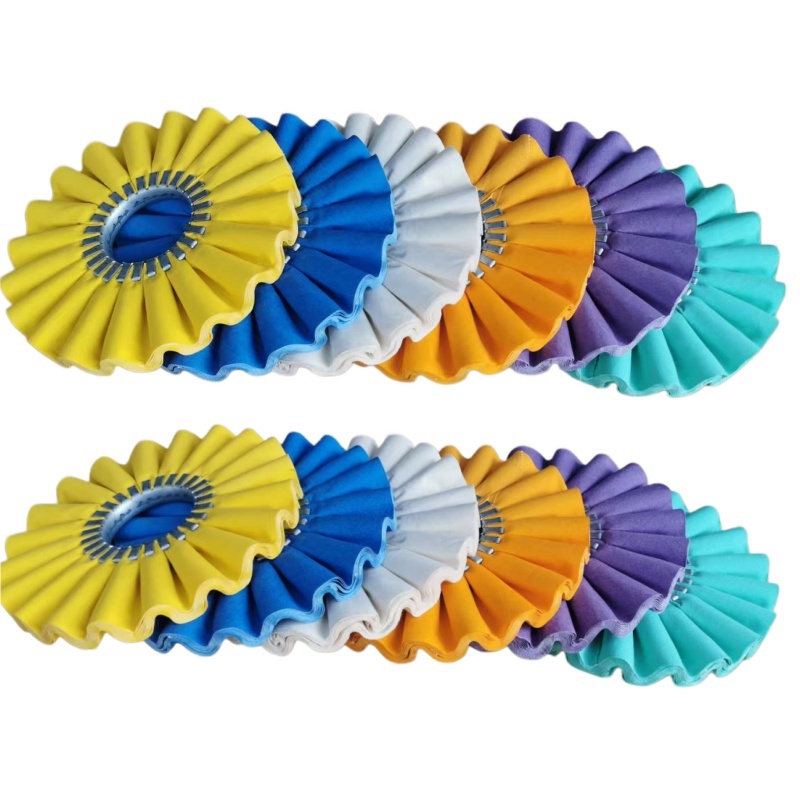
- Solution 1: Deploy Airway Buffing Wheels. Continuous automated production lines must phase out standard, tightly stitched wheels in favor of specialized Airway Buffing Wheels. Their unique pleated design acts like a built-in fan, drawing cool air into the contact zone during high-speed rotation to force heat dissipation and prevent burns at the source.
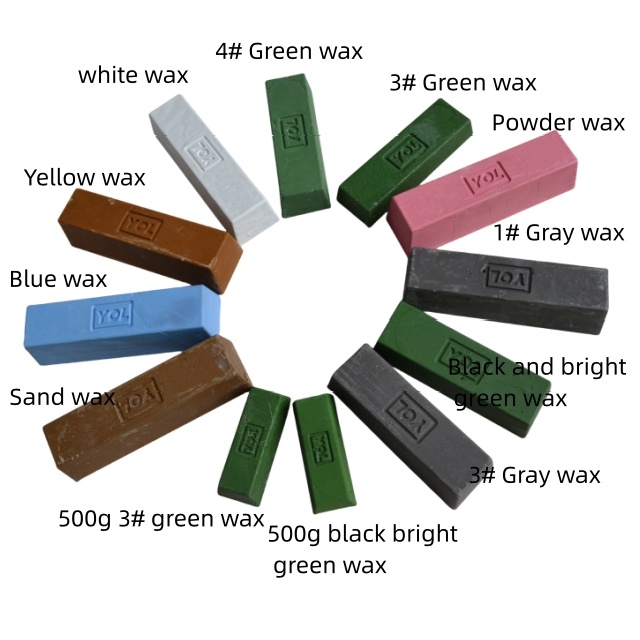
- Solution 2: Optimize Compound Application Frequency. Polishing compounds act as both abrasives and vital lubricants. If an automatic spraying system spaces intervals too far apart, the wheel runs "dry," generating catastrophic heat spike. Ensuring a consistent, micro-metered supply of liquid or solid compound is essential to maintaining low operational temperatures.
2. Balancing Edge "Over-Cutting" with Difficult-to-Reach "Dead Angles"
Irregularly shaped hardware—such as curved stainless steel pipes, faucet bodies, and the concave bowls of spoons—presents a complex geometry. A common automation pitfall is over-compensating: in an attempt to reach deep, recessed "dead angles," the machine applies excessive force that grinds down and deforms the sharp, exposed outer edges.
-
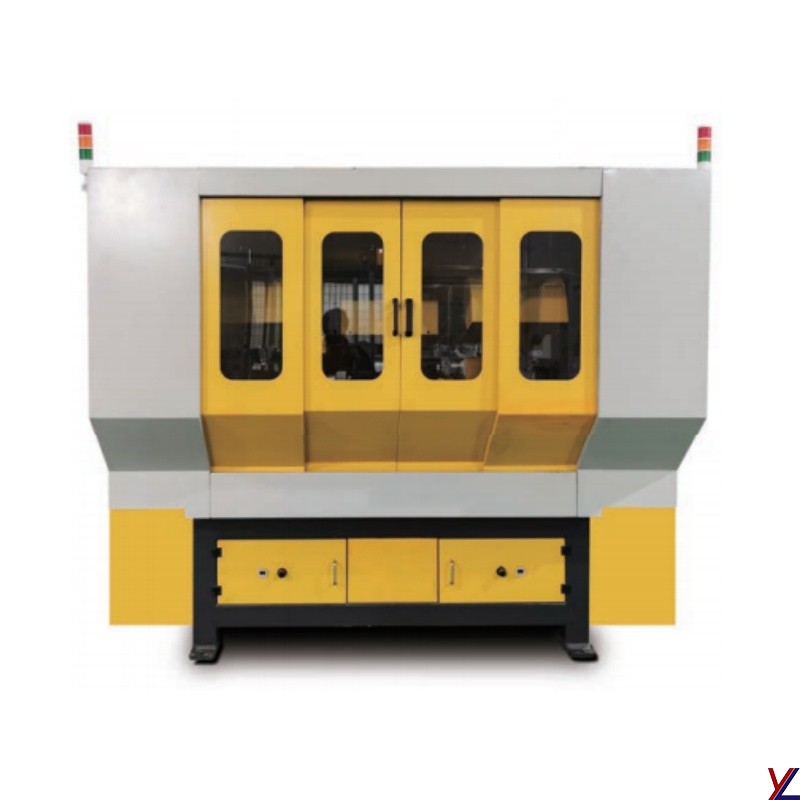
The Mechanical Fix: Multi-Axis Linkage & Constant Pressure Systems. Standard single-axis setups cannot adapt to intricate curves. Yiliang’s advanced automated polishing equipment utilizes multi-axis flexible adjustments paired with a constant-pressure control system. This ensures the buffing wheel maintains uniform friction across every contour, preventing localized spikes that lead to over-cutting.
-
The Consumable Fix: Smart Gradation of Wheel Hardness. Initial Heavy Cutting: Use high-rigidity sisal wheels or stiff nylon wheels to quickly level down rough weld seams and machining marks.
-
Final Mirror Buffing: Transition to highly flexible bias-cut cloth wheels or soft cotton wheels. Their natural pliability allows them to seamlessly "wrap" around irregular geometries, penetrating deep recesses without distorting or shaving down the critical sharp edges of the workpiece.
3. Achieving Zero-Defect Production with Yiliang’s Process Optimization
Eliminating surface defects requires more than adjusting a single variable—it demands a holistic synergy between machinery and consumables. At Yiliang, we deliver more than just internationally certified hardware; we provide custom Process Parameter Packages tailored to your specific production floor:
-
Precise Linear Speed Calibration: We precisely calculate the optimal RPM based on the distinct thermal and physical properties of your material—whether it is stainless steel, aluminum alloy, zinc die-cast, or brass—striking the perfect balance between cutting power and heat generation.
-
1-to-1 Custom Consumables: We configure the exact hardness, ply count, density, and compound grain sequence required for your specific product geometry (e.g., specific curvatures of cookware or industrial tubing).
Conclusion
The success of an automated polishing line does not depend on raw horsepower; it depends on its capacity for precision. If your factory’s automated lines are currently bottlenecked by burnt workpieces, edge deformation, or high rejection rates, contact the Yiliang Polishing Technical Team today. Let our engineers perform a complimentary process audit to help your production line achieve flawless, high-efficiency, zero-defect surface finishing!


 English