FAQ
Q1: What's the difference between polishing and buffing?
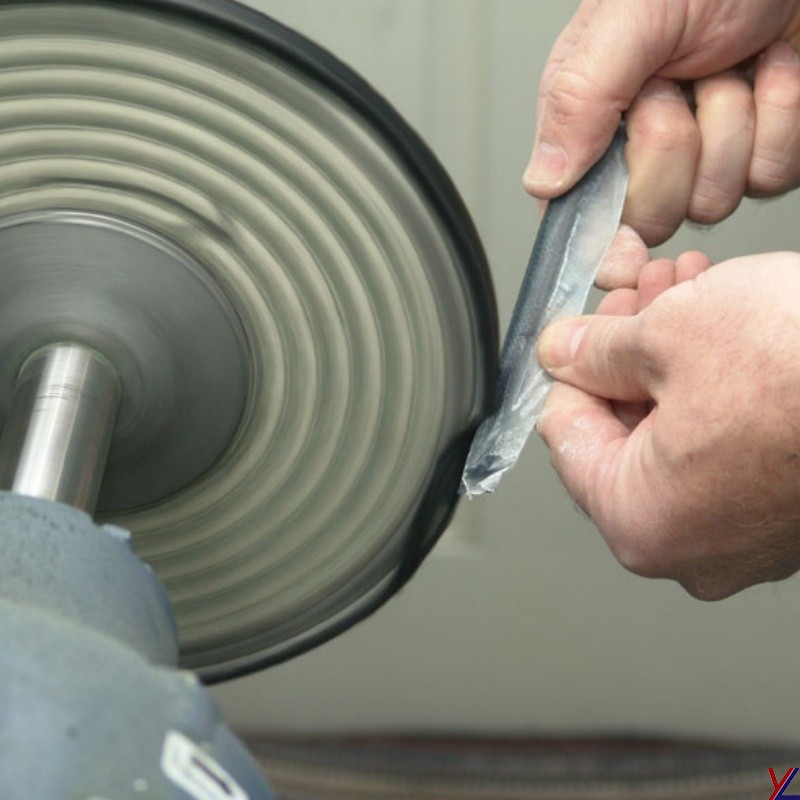
Polishing uses abrasive belts or wheels to remove material and reduce Ra. Buffing is the final step using soft wheels and compound to produce gloss. You polish first, then buff.
Q2: Can I skip grinding and go straight to polishing?
Only if the part has no welds, no deep scratches, and no stamping marks. Otherwise, polishing a rough surface just polishes the roughness.
Q3: Is passivation the same as electropolishing?
No. Passivation is a chemical-only treatment that boosts corrosion resistance. Electropolishing is electrochemical and also reduces Ra by dissolving surface material. They are different processes, sometimes used in sequence.
Q4: What Ra value counts as "mirror finish"?
There is no universal number. In B2B practice, Ra ≤0.1 μm reads as mirror under standard shop lighting. 0.2 μm reads as soft sheen, not mirror.
Q5: Do I need a profilometer, or can I judge by eye?
For production QC, you need a profilometer. Visual judgment varies by operator and lighting, and a 0.1 μm difference is invisible to the eye but matters for sealing, coating, and medical applications.
Talk to a Finishing Specialist
If you're specifying a new line or troubleshooting an existing one, send us:
- Part material and thickness
- Current process sequence
- Target Ra and visual goal
- Daily / monthly volume
We'll respond with a step-by-step process map, equipment list, and consumable budget.
Request a quote →
Published by Yiliang Abrasives — automatic polishing machines and finishing consumables for OEM workshops. www.yl-polishing.com


 English